About Linserka
From clothmaker to industrial complex
The story of the building on Resslova Street begins in 1845. That year, the Liberec clothmaker Gottfried Tanner built a Neoclassical house as a clothmaking workshop. He later sold it to Christian Linser, the owner of a copper and metalworking shop, who made it the foundation of the Ch. Linser engineering works.
As the Industrial Revolution gathered pace, Linser expanded his business and transformed the former cloth workshop into a foundry and modern industrial complex, shaped by leading architects of the day.
At the turn of the 20th century, Linser’s foundry moved boldly beyond machinery for textile mills and breweries into motor vehicles. From 1902, it produced Zeus motorcycles.
A high point came in 1906, when the first four-cylinder car in what was then Austria-Hungary was built here and presented at an automobile exhibition in Vienna. Apart from its magneto ignition and tyres, the Linser Voituretta was made entirely in Liberec – a source of justified pride for the factory.
Linser eventually transferred the licence and production documentation for the cars to the newly founded RAF (Reichenberger Automobil Fabrik). Its owner was the visionary industrialist and racing driver Theodor von Liebieg. Once production began in 1907, car manufacturing moved to another factory.
Linser’s works continued to make components for these vehicles and for cars by Laurin & Klement.
The memory of a place coming back to life
In 1926, the city bought the complex and converted it into municipal garages. The decades that followed brought decline, deterioration and demolition.
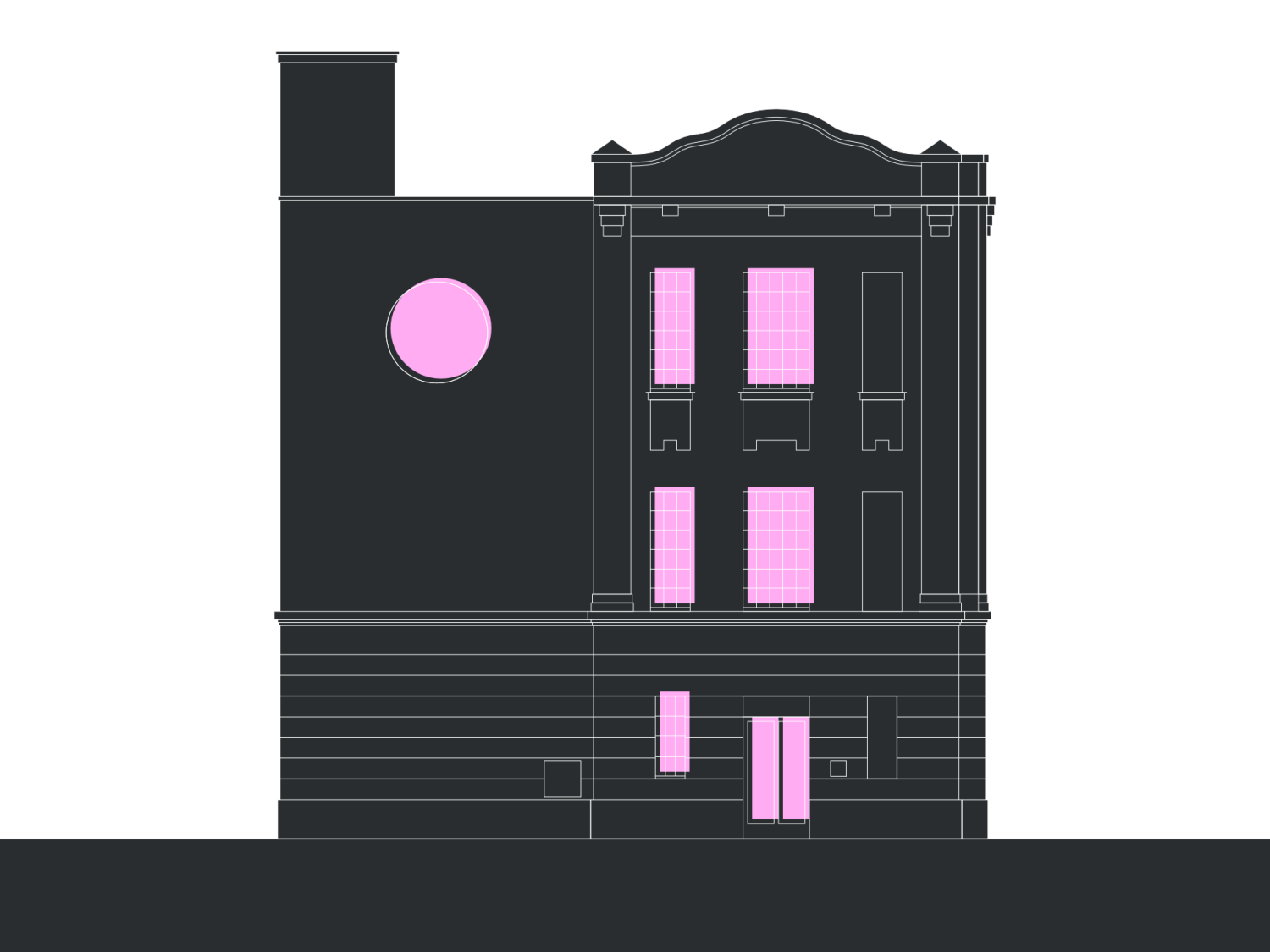
Only one building survives from the extensive industrial complex that once helped shape Liberec: the three-storey Art Nouveau foundry that is now Linserka.
Before restoration began, the student association Übergrund Linserka brought the abandoned building back to life with cultural events and gatherings.
The restoration is more than the rescue of an architectural landmark. It transforms the site’s industrial spirit into a modern centre for creative disciplines.